How Often Should Commercial Fire Sprinkler Systems Be Inspected?
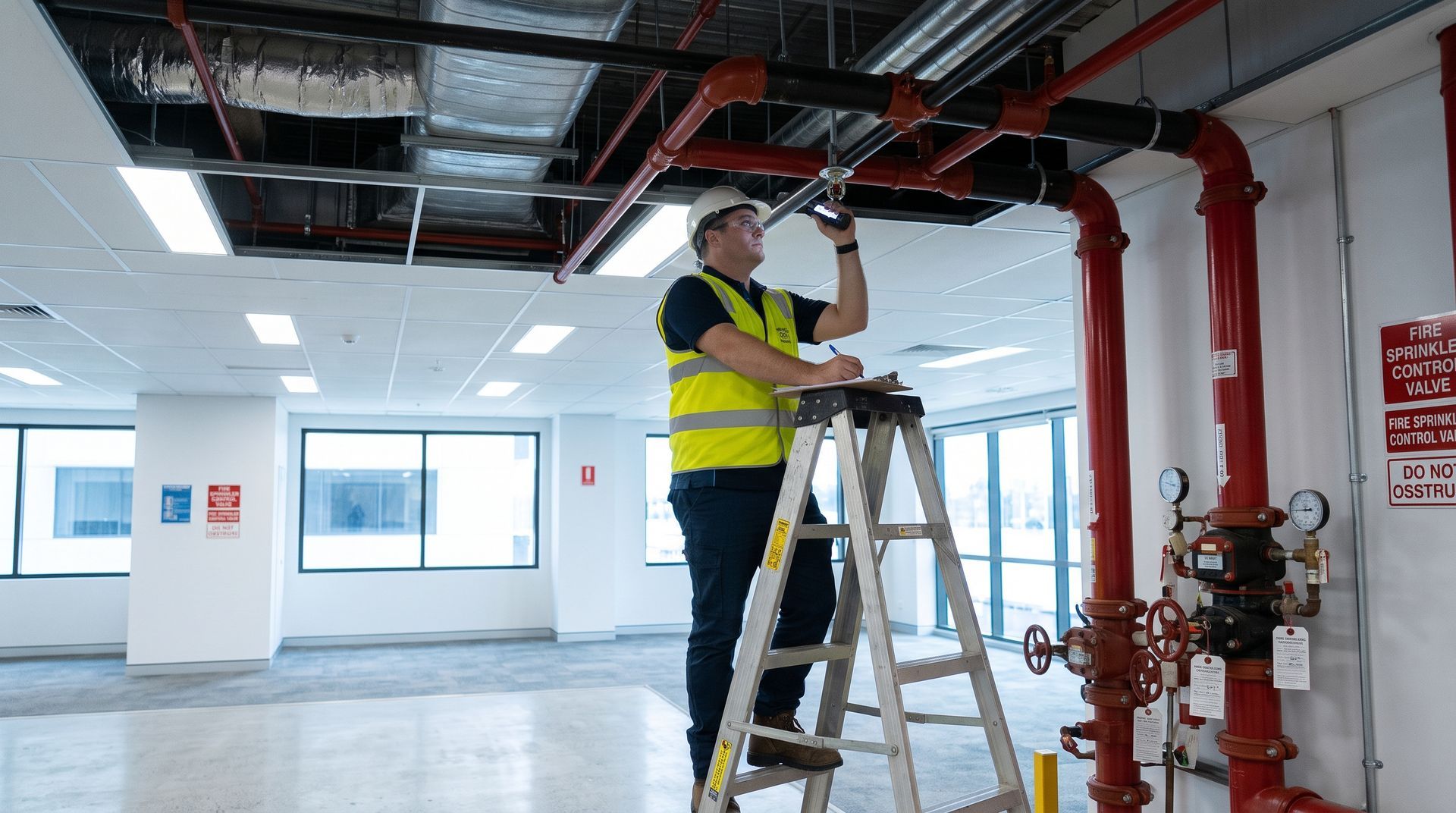
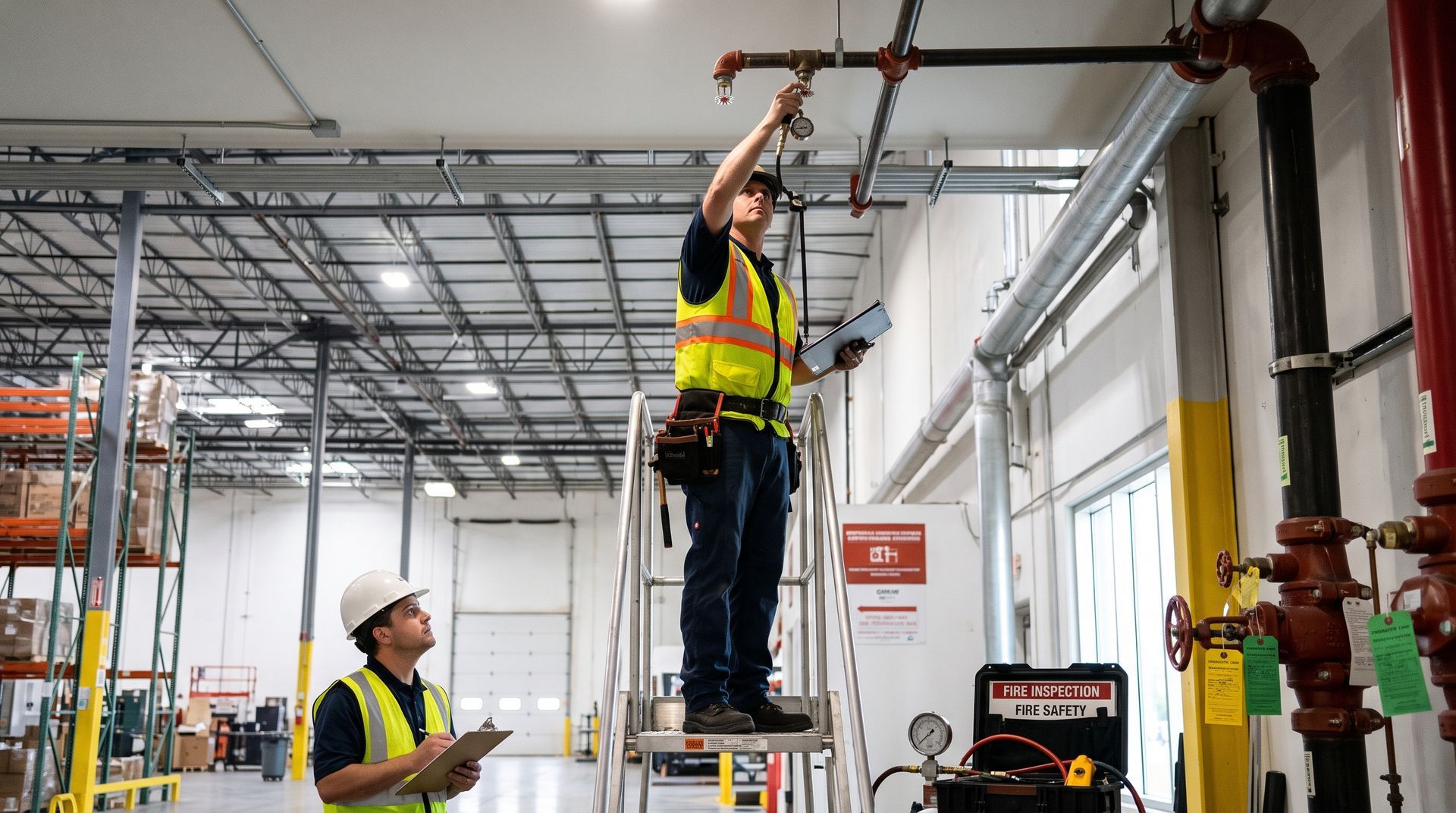
Commercial fire sprinkler systems require ongoing attention—not just a once-a-year appointment. While many property managers think of fire sprinkler inspections as an annual task, fire sprinkler inspection frequency depends on the system, component, applicable standards, and local requirements.
Some components may need routine visual inspections, while specific equipment requires testing at different intervals. That is why commercial property managers should maintain an organized inspection, testing, and maintenance schedule instead of relying on a single annual reminder.
For commercial buildings, HOAs, and managed properties in Denver, Aurora, and across Colorado’s Front Range, understanding these intervals can help prevent missed service, identify deficiencies earlier, and make future maintenance easier to plan.
Here is what property managers should know about scheduling commercial fire sprinkler inspections.
Why Fire Sprinkler Inspection Frequency Varies
NFPA 25 addresses the inspection, testing, and maintenance of water-based fire protection systems. However, it does not treat every component exactly the same.
A sprinkler system contains numerous interconnected parts. Depending on the type of system, these may include sprinkler heads, valves, gauges, piping, alarm-related equipment, fire department connections, and other components.
These components do different jobs, so the appropriate inspection or testing frequency can differ.
For example, some equipment may require relatively frequent visual inspection, while certain operational tests take place at longer intervals. System type and installed equipment also matter.
This is why property managers should avoid assuming that scheduling one annual sprinkler inspection automatically satisfies every inspection and testing need.
Learn More:
→ [Fire Sprinkler Maintenance – https://www.valiantfireprotection.com/fire-sprinkler-maintenance]
This page explains Valiant Fire Protection’s preventative maintenance services for commercial fire sprinkler systems and how regular attention can help identify system concerns before they become larger problems.
What Determines Your Fire Sprinkler Inspection Schedule?
A commercial property's schedule should reflect the actual fire protection equipment installed in the building.
Several factors can influence when inspection, testing, or maintenance is needed.
Type of Fire Sprinkler System
Not every building uses the same type of sprinkler system. System design and installed components affect what needs to be inspected and tested.
The requirements for one commercial property may therefore differ from those of another building.
Individual System Components
Sprinkler heads are only the most visible part of the system.
Valves, gauges, piping, alarm devices, fire department connections, and other equipment also require attention. Each component should be managed according to the applicable inspection and testing requirements.
Previous Inspection Findings
Inspection history matters too.
If previous reports identify corrosion, leakage, damaged equipment, or another deficiency, the property manager should make sure corrective work is completed rather than simply waiting for the next routine inspection.
Changes to the Property
Renovations and tenant improvements can change the building around an existing sprinkler system.
New walls, ceilings, room configurations, or changes in how a space is used may affect fire protection needs. Sprinkler considerations should therefore be included early in renovation planning.
Inspection, Testing, and Maintenance Are Different
Understanding these three terms can prevent confusion when scheduling sprinkler service.
Inspection generally involves visually examining a system or component to determine whether it appears to be in the appropriate condition.
Testing involves operating or evaluating equipment according to an established procedure to verify its function or performance.
Maintenance is the work performed to keep equipment operable and can include adjustments, repairs, replacements, or other corrective work.
A property may need all three over time.
This distinction also explains why asking, “When was our last sprinkler inspection?” does not always provide enough information.
A better question is: What inspections, tests, maintenance, and repairs have been completed, and what is due next?
What Happens If Inspections or Testing Are Delayed?
A missed service interval does not necessarily mean the sprinkler system has failed. However, delaying required inspection or testing can allow deficiencies to remain unidentified.
Commercial sprinkler systems may develop problems that are not obvious during normal building operations.
These can include:
- Corrosion on system components
- Leaks or damaged fittings
- Damaged sprinkler heads
- Valve-related problems
- Aging or worn components
- Conditions affecting piping
- Issues discovered through required system testing
The longer a property goes without appropriate attention, the longer some conditions may remain unnoticed.
For property managers, proactive scheduling provides another advantage: predictability. Planned inspection and maintenance are generally easier to coordinate with tenants, building operations, budgets, and other contractors than unexpected sprinkler work.
Learn More:
→ [Fire Sprinkler Service – https://www.valiantfireprotection.com/fire-sprinkler-service]
This page explains Valiant’s commercial sprinkler troubleshooting and repair services for leaks, damaged sprinkler heads, corrosion, piping issues, and other system problems.
How Property Managers Can Keep Sprinkler Service Organized
A simple recordkeeping system can make managing fire protection across one or multiple properties much easier.
Create a record for each property that includes:
- System information
- Previous inspection dates
- Completed testing
- Inspection reports
- Identified deficiencies
- Completed repairs
- Maintenance history
- Upcoming service dates
- Contractor contact information
Do not rely entirely on memory, especially when managing multiple buildings.
When a deficiency appears on an inspection report, track it until corrective action has been completed. Keeping the inspection report and repair documentation together creates a clearer history of the system.
This documentation can also help a new property manager understand what has already been completed and what may be due next.
Expert Insight: Plan Sprinkler Service Before Renovations Begin
Routine inspections are only one part of long-term sprinkler management.
Property managers should also think ahead whenever a commercial space is being renovated or prepared for a new tenant.
Moving walls, changing ceilings, expanding a space, or changing its use may affect the existing sprinkler arrangement. Waiting until construction is nearly finished to consider fire protection can create unnecessary scheduling complications.
Bring a qualified fire sprinkler contractor into the conversation early enough to review the planned changes and determine whether sprinkler modifications may be necessary.
Learn More:
→ [Fire Sprinkler Installation – https://www.valiantfireprotection.com/fire-sprinkler-installation]
This page covers Valiant Fire Protection’s sprinkler installation and modification services for commercial construction, renovations, expansions, and tenant improvements.
Frequently Asked Questions About Fire Sprinkler Inspection Frequency
Are commercial fire sprinklers inspected annually?
Some sprinkler inspections and tests may occur annually, but not every component follows the same frequency. Requirements vary by system and equipment, so property managers should maintain a schedule specific to their building.
Is an inspection enough to know the system works?
Inspection and testing serve different purposes. Visual inspection evaluates system conditions, while testing is used to verify the operation or performance of specific equipment according to applicable procedures.
What should I do with old sprinkler inspection reports?
Keep them organized with maintenance, testing, and repair records. Historical reports can help property managers identify recurring deficiencies and understand previous work performed on the system.
Should I schedule service if I notice a sprinkler problem between inspections?
Yes. Do not wait for the next routine inspection if you notice a leak, damaged sprinkler, visible corrosion, or another potential problem. Have the condition evaluated by a qualified fire sprinkler contractor.
Can Valiant help determine what sprinkler service is needed?
Valiant Fire Protection provides commercial fire sprinkler inspections, maintenance, repairs, installation, tenant improvement work, and backflow testing throughout Denver, Aurora, and Colorado’s Front Range.
Keep Your Commercial Fire Sprinkler Schedule on Track
The most important thing to remember about fire sprinkler inspection frequency is that there is no single interval that applies to every component in every commercial building.
An organized inspection, testing, and maintenance program gives property managers a clearer picture of system condition, outstanding deficiencies, completed repairs, and upcoming service needs.
Valiant Fire Protection helps commercial property owners, HOAs, and property managers throughout Denver, Aurora, and the Front Range manage their fire sprinkler systems with clear documentation and straightforward service.
If you are unsure when your system was last inspected or what service may be due, start by reviewing your existing records and having your system requirements evaluated.
Contact Valiant Fire Protection:
→ [Contact Valiant Fire Protection – https://www.valiantfireprotection.com/contact]
Visit the contact page to discuss your property’s fire sprinkler inspection schedule, request service, or get help determining the appropriate next steps for your commercial system.
Phone: 720-513-6626
Hours: Monday–Friday, 6:00 a.m.–5:00 p.m.